
Practical implementation guide · AI sales forecasting
How to Incorporate AI Into Sales Pipeline Forecasting
AI may assist research organization and drafting. A human editor reviews every published page, checks material claims against the cited sources and owns the final decision. No company paid for placement in this article.
AI use policyAgent-ready brief
AI takeaways
Keep the key points here, or take a source-aware text brief into Claude, ChatGPT or another AI workspace.- 01Define the decision, evidence and human owner before connecting a model.
- 02Require stable opportunity IDs, stage rules, amount, next step, close-date history and observed outcomes.
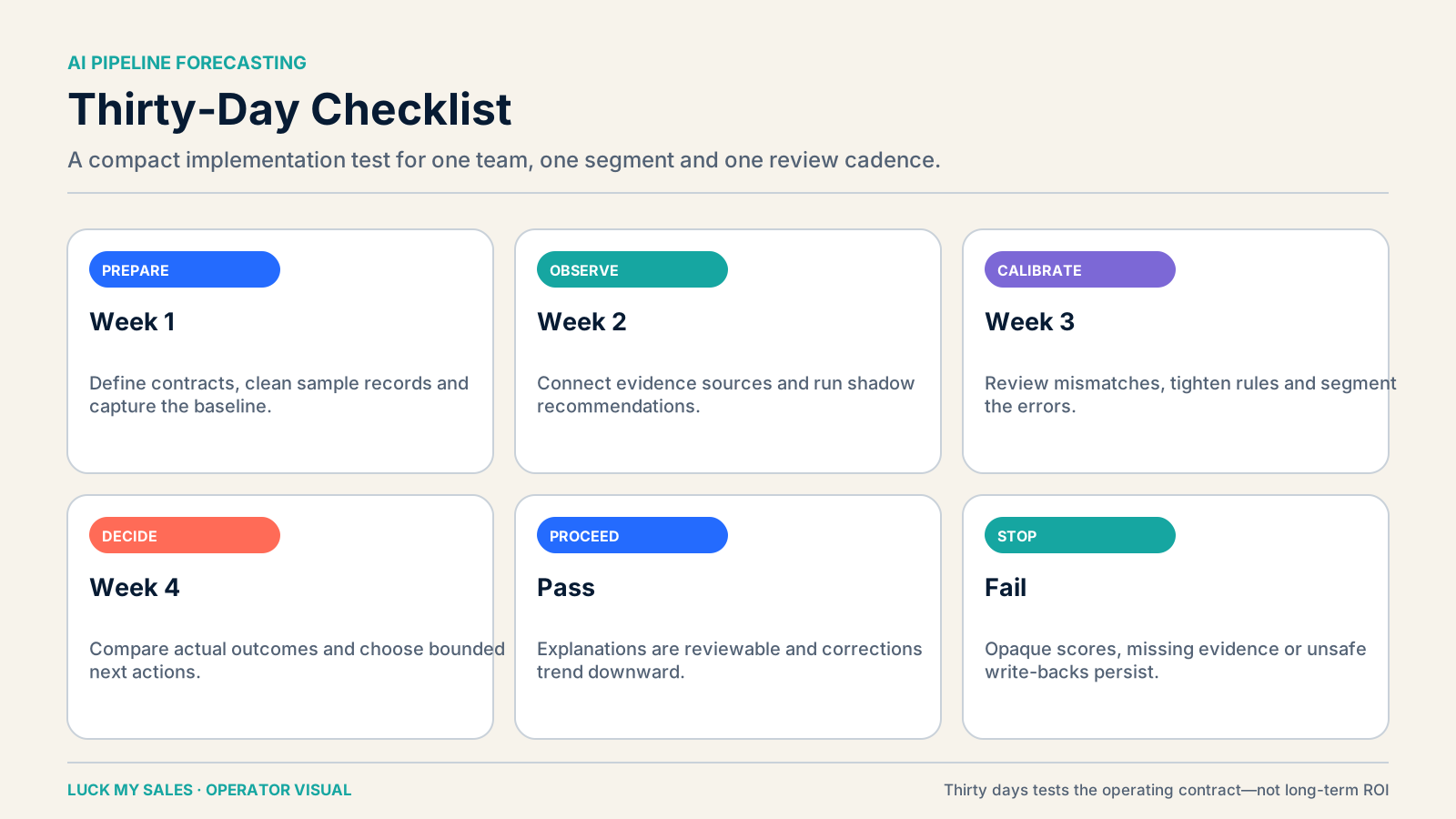
- 03Use 30-day shadow mode as a practical starting point, not as a universal guarantee.
- 04Track corrections by cause instead of celebrating a single accuracy score.
- 05Automate low-risk tasks before stage, probability, date or commit changes.
AI belongs beside the forecast process before it belongs inside the CRM write path.
01 / Start with the decision
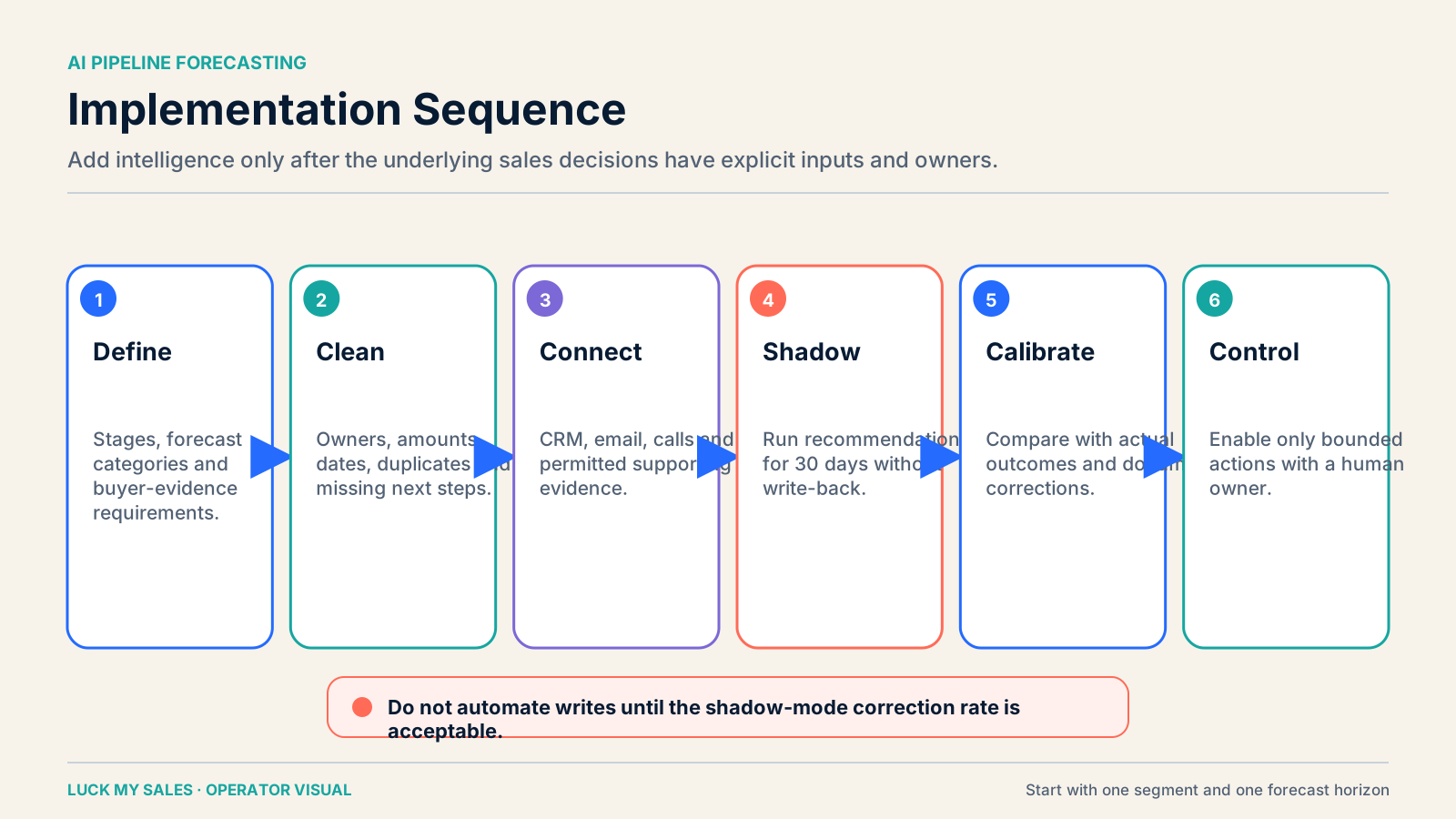
1. Start with the decision, not the model
- the seller owns the next step and supplies missing context;
- the sales manager approves stage and account ownership;
- RevOps owns data rules, exceptions and calibration;
- the forecast leader owns probability, category, close date and the final commit.
02 / Set the minimum data contract
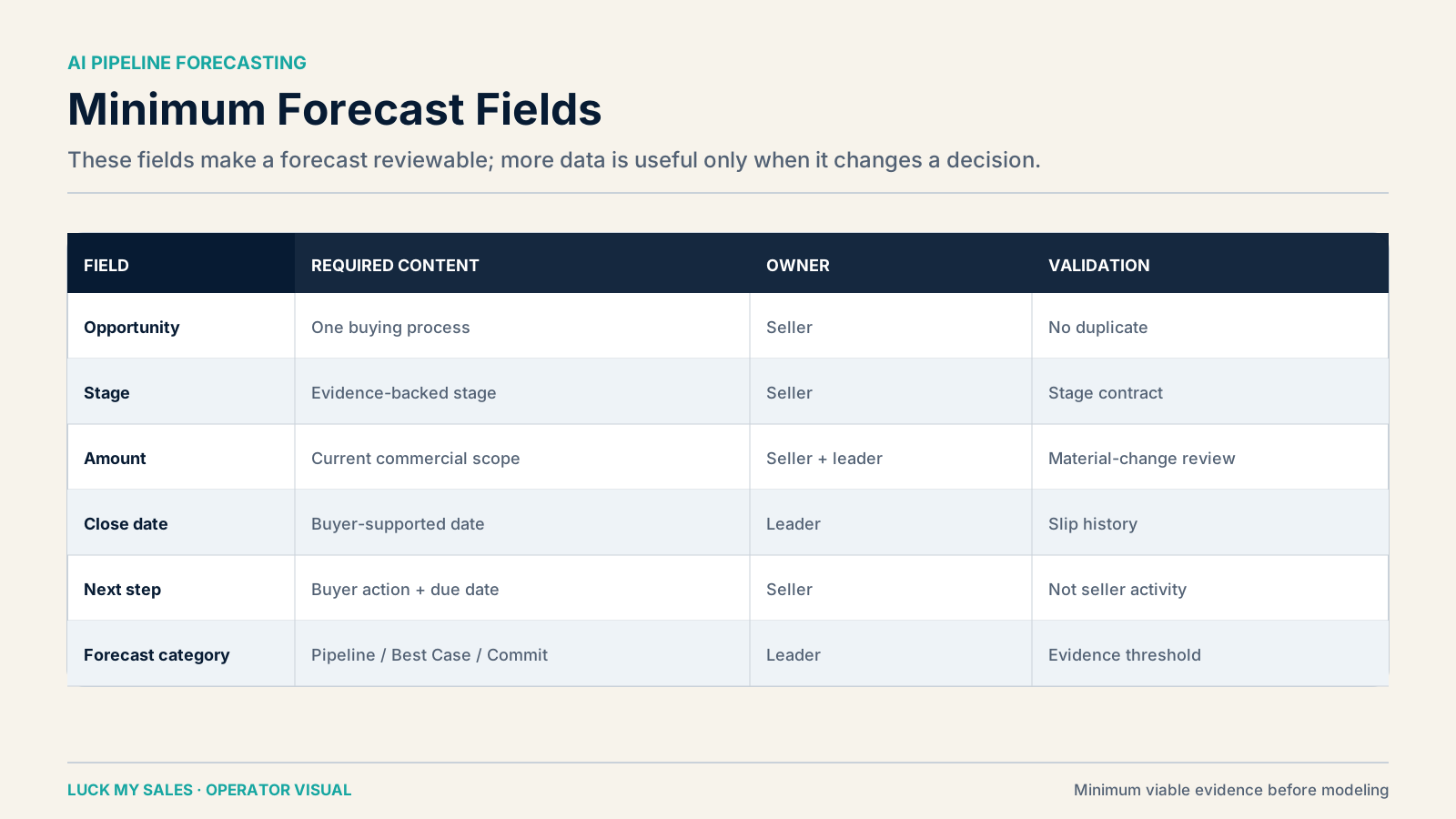
2. Set the minimum data contract
- a stable account and opportunity ID;
- one accountable owner;
- explicit stage entry and exit evidence;
- amount, currency and close-date history;
- a specific next step with owner and due date;
- loss, delay and disqualification reasons;
- links to relevant meetings, email or calls;
- a final observed outcome.
Test identity before scoring
03 / Connect evidence read-only
3. Connect evidence in read-only mode
04 / Run 30-day shadow mode
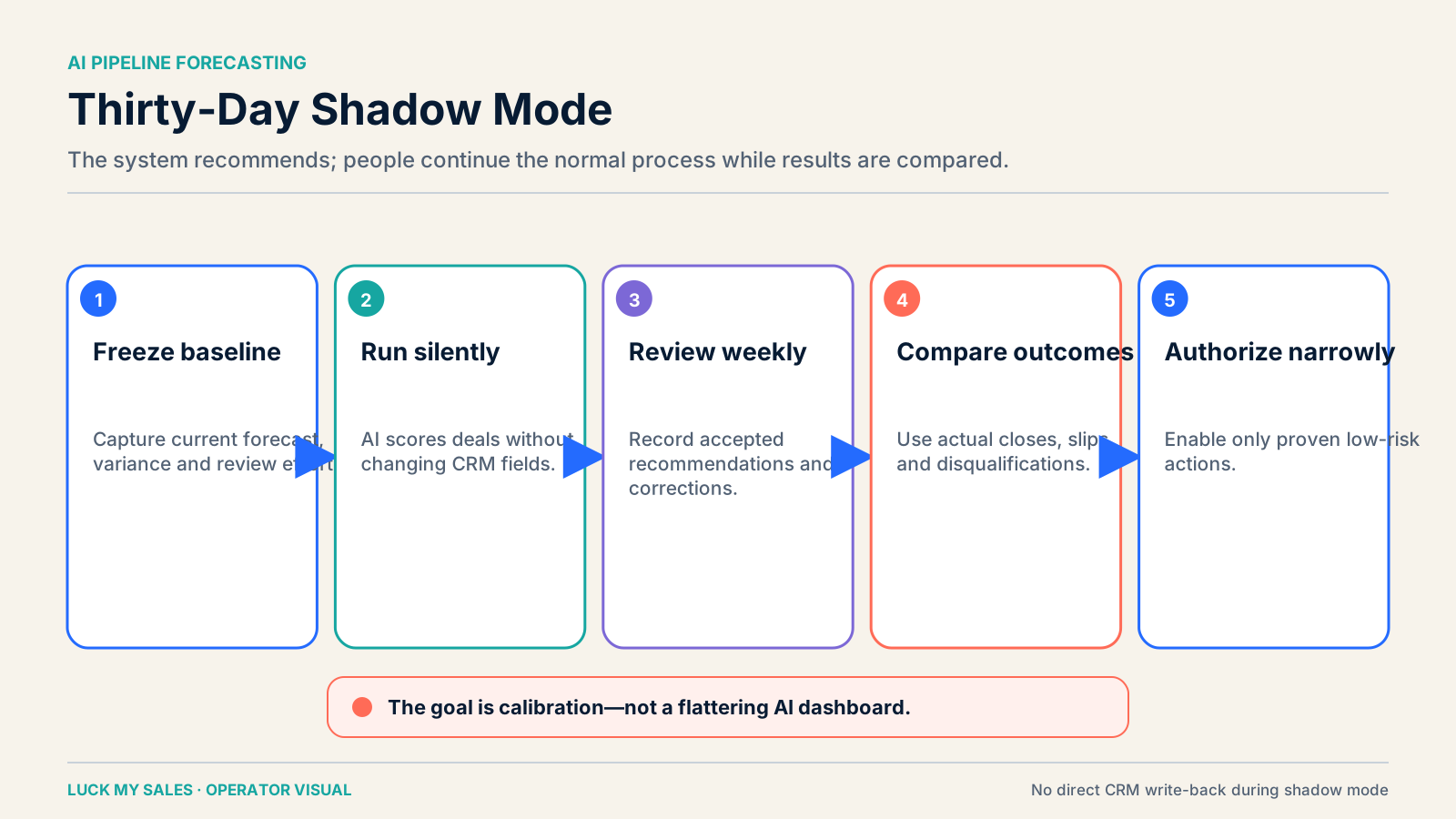
4. Run a 30-day shadow period
- the seller's current category and date;
- the AI recommendation and cited evidence;
- the manager's final decision;
- what actually happened later.
05 / Measure and gate
5. Measure the error pattern
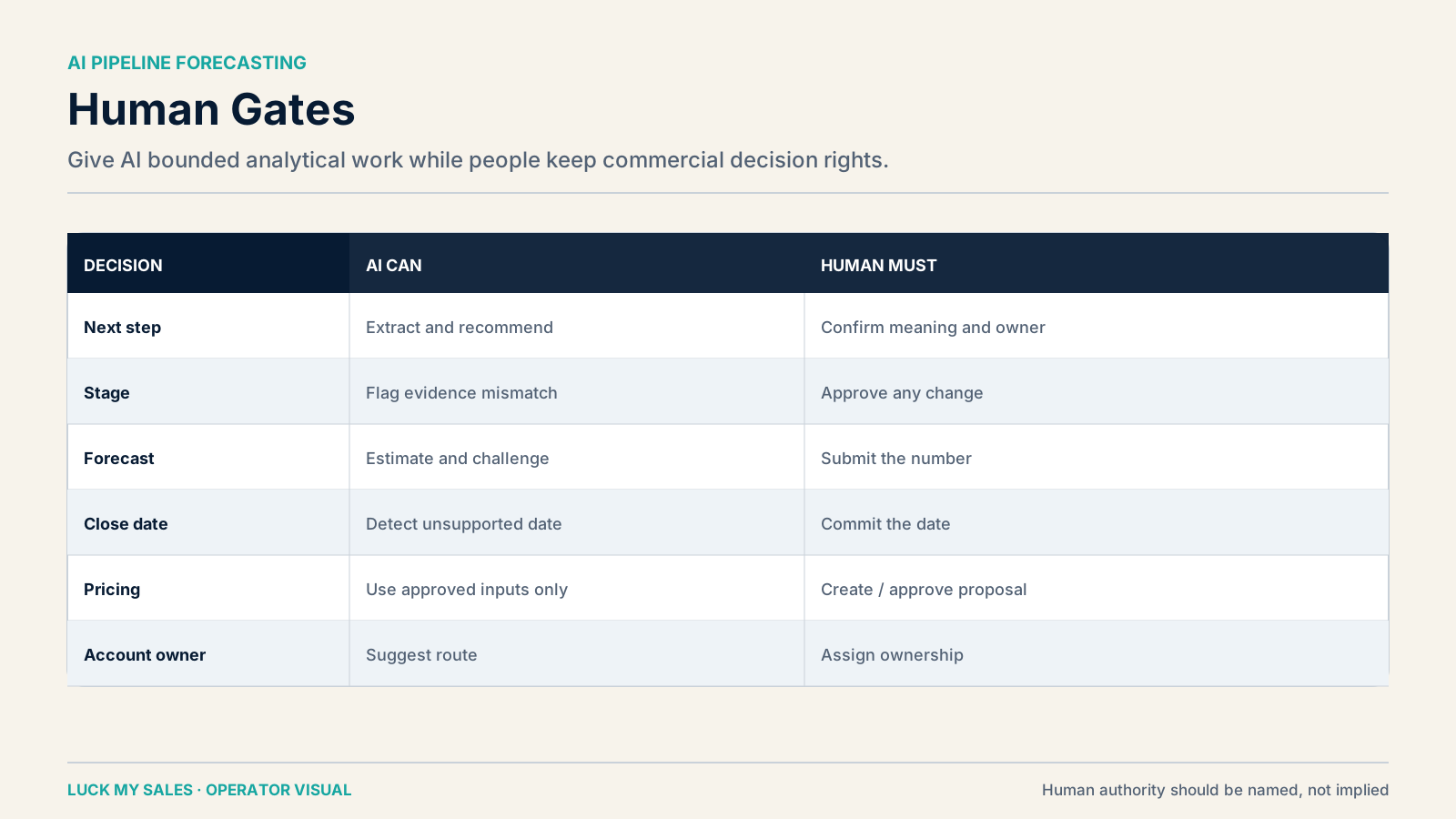
- allow AI to create review tasks;
- allow it to draft a next-step recommendation;
- allow a person to accept the recommendation into CRM;
- consider narrow automatic actions only after the correction pattern is stable;
- keep stage, probability, close date and commit behind human approval.
06 / First 30 days
A practical 30-day checklist
Research note
Methodology
- 01The workflow is based on Anastasiia Krynytska's direct work with HubSpot, Pipedrive and custom AI/n8n automations.
- 02Thirty days is an operator starting point for shadow mode, not an audited benchmark. Teams with longer cycles may need more time.
- 03No vendor is presented as a universal implementation winner.
Source ledger
Sources & editorial notes
- 01Use the forecast tool
HubSpot · Official documentation used to bound HubSpot forecast categories and submissions.
- 02Pipeline Inspection
Salesforce · Official documentation used for the current pipeline-inspection context.
- 03Revenue forecasting software
Gong · Official product source used only for bounded conversation-evidence capability claims.